SPRING PROMOTION - WILL BEAT ANY QUOTED PRICE BY 10%
LIMITED SPOTS AVAILABLE - CLICK HERE TO BOOK YOURS TODAY
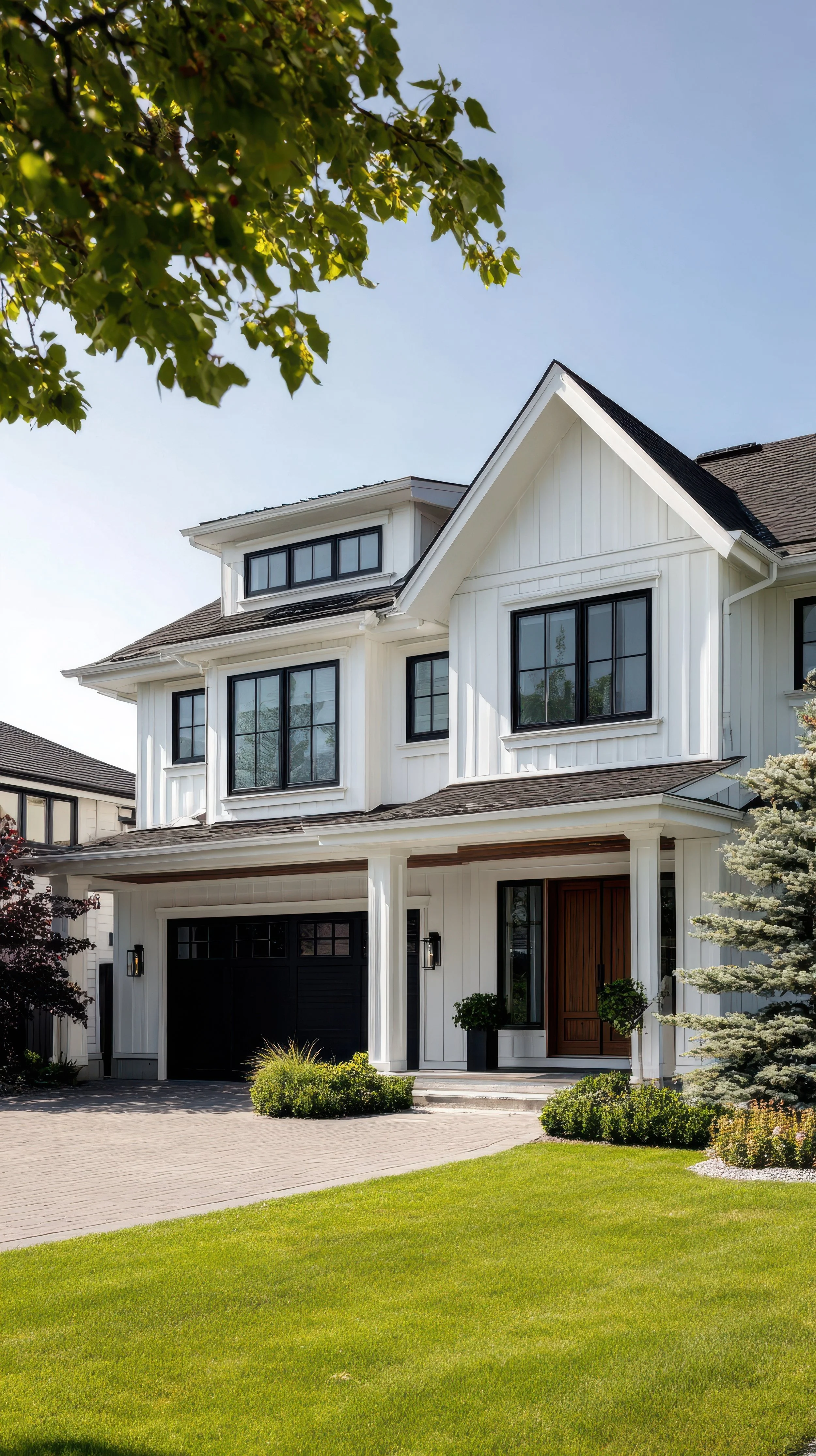
Replacing windows and doors in a residence is one of the most effective ways to improve comfort, security, energy efficiency, and curb appeal. Whether you’re renovating a single room or upgrading an entire home, choosing the right products and installation approach will affect performance and long-term value.
WHY REPLACE WINDOWS AND DOORS?
Energy efficiency: Older windows and doors often have gaps, single glazing, or poor frames that allow heat transfer and air leakage. Modern double- or triple-glazed windows with low-emissivity coatings and insulated frames reduce heat loss in winter and heat gain in summer, lowering heating and cooling bills.
Comfort and noise reduction: New glazing and well-sealed frames reduce drafts and help block exterior noise, creating a more comfortable interior environment.
Security and safety: Contemporary doors and windows include stronger locks, improved hardware and tempered or laminated glass options that resist forced entry and reduce injury risk if broken.
Functionality and ventilation: Worn-out hardware and sagging sashes can make windows hard to open and close. Replacing them restores smooth operation and can improve ventilation options (casement, awning, slider, etc.).
Aesthetics and home value: Updated windows and doors refresh the look of a home, improving curb appeal and potentially increasing resale value.
Moisture control and structural protection: New installations with proper flashing and weatherproofing prevent water infiltration that can cause rot, mold and structural damage.
KEY DECISIONS TO MAKE
Replace-in-place vs full-frame replacement:
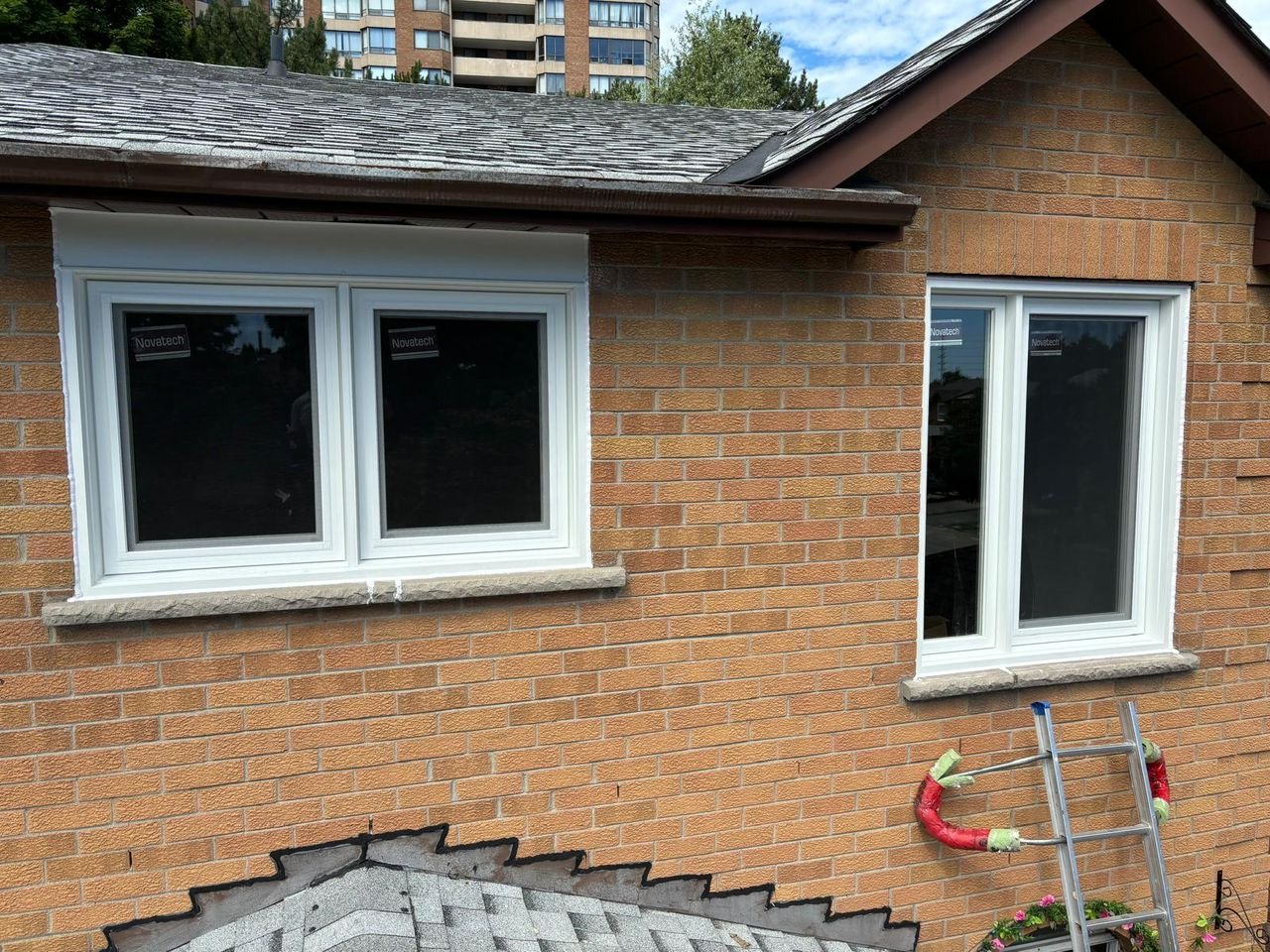
Replace-in-place (insert): Installs into the existing frame. Faster and often less expensive. Good if the existing frame is square, rotted-free and well-integrated with surrounding trim.
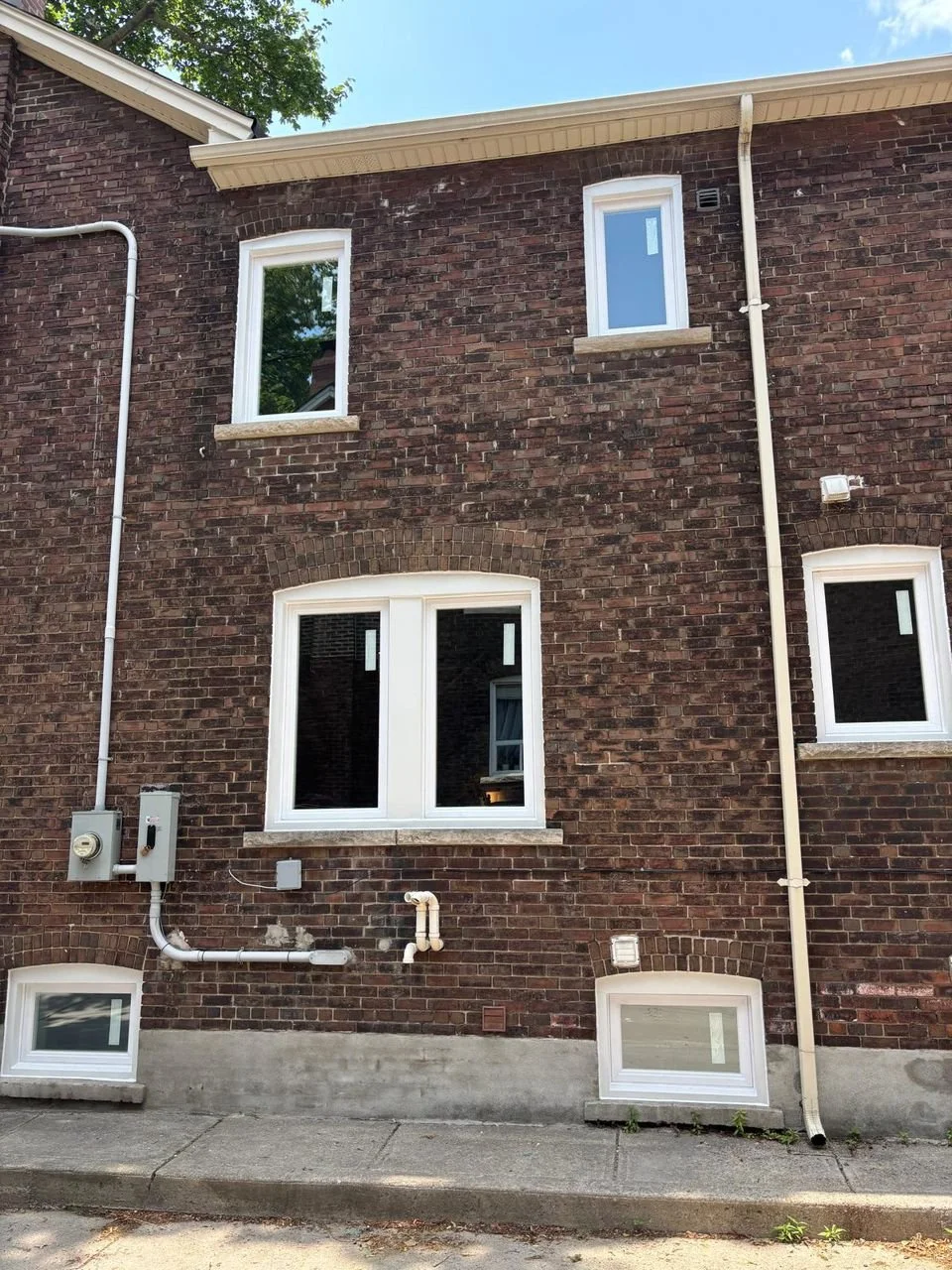
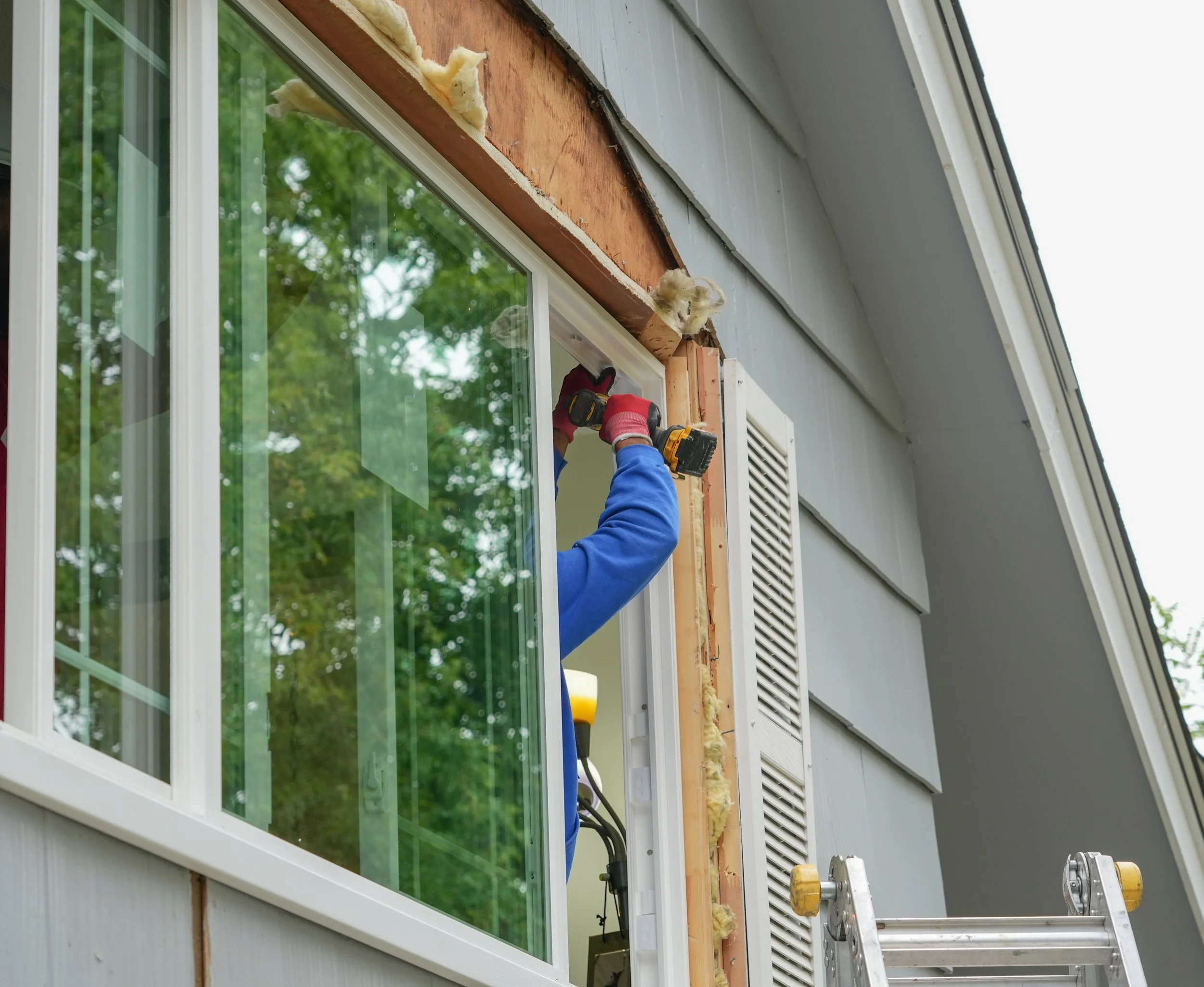
Full-frame replacement: Removes the entire window or door and frame back to the studs. Ideal if there’s rot, water damage, or if you want a different rough opening size or improved insulation and flashing.
Frame material:
Vinyl: Low maintenance, good thermal performance, cost-effective. Can warp in extreme heat; colour options limited.
Aluminum: Slim profiles, durable and strong — common for modern aesthetics. Aluminum conducts heat well, so thermally broken frames are essential in colder climates.
Wood: Traditional look, excellent insulator, can be painted or stained. Requires periodic maintenance to prevent rot and decay.
Fibre-reinforced composites: Strong, low-maintenance, and stable; often used where higher performance is required.
Aluminium-clad wood: Combines wood interior with durable exterior metal cladding for low maintenance and classic appearance.
Glass type and performance:
Double- or triple-glazing: More panes generally mean better insulating value.
Low-E coatings: Reduce radiant heat transfer while allowing visible light.
Argon or krypton gas fills: Improve thermal performance between panes.
Tempered or laminated safety glass: Required or recommended in certain locations and for added security.
Solar control or tinted glass: Useful for south- and west-facing exposures to reduce solar heat gain.
Door options:
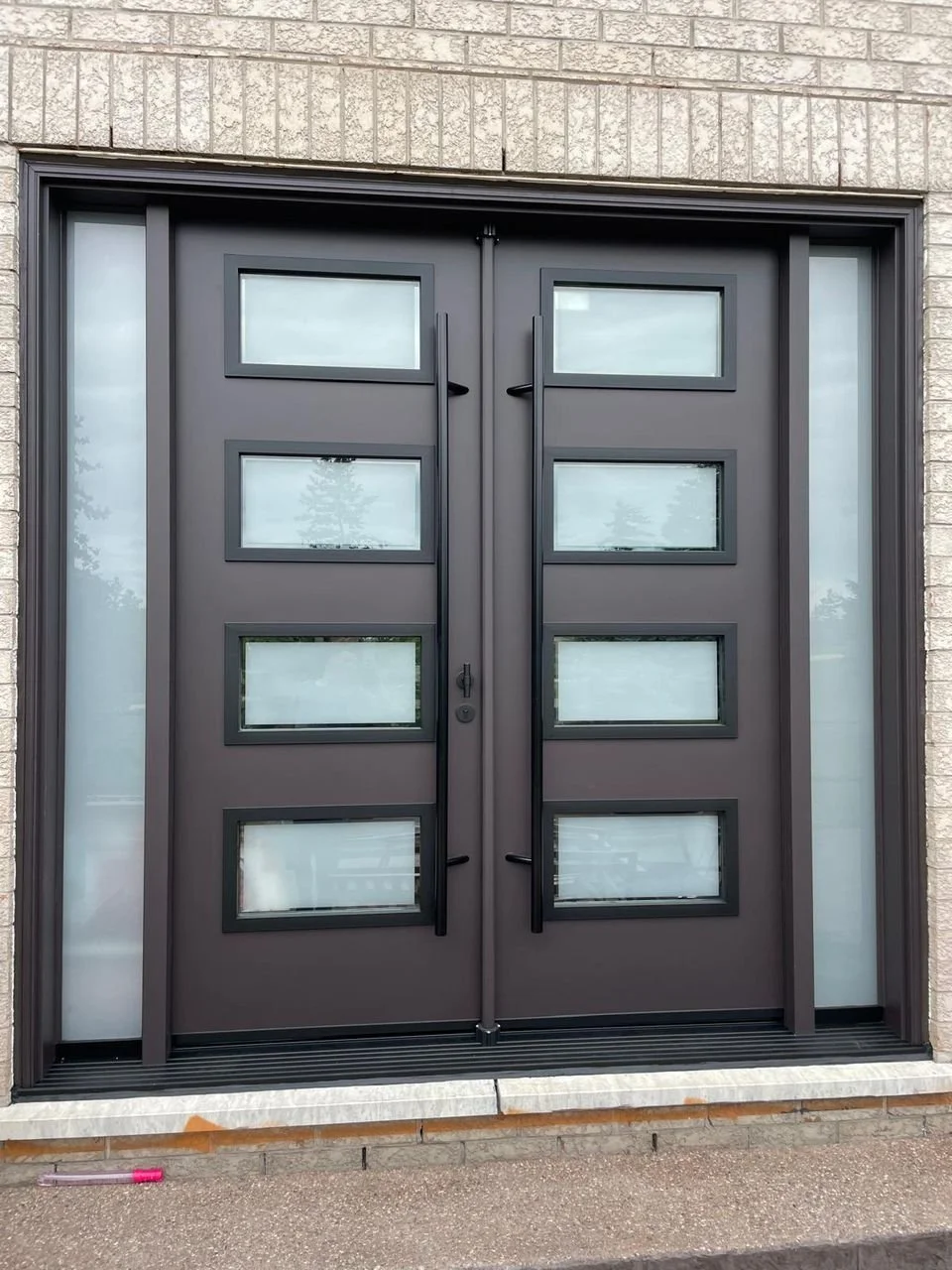
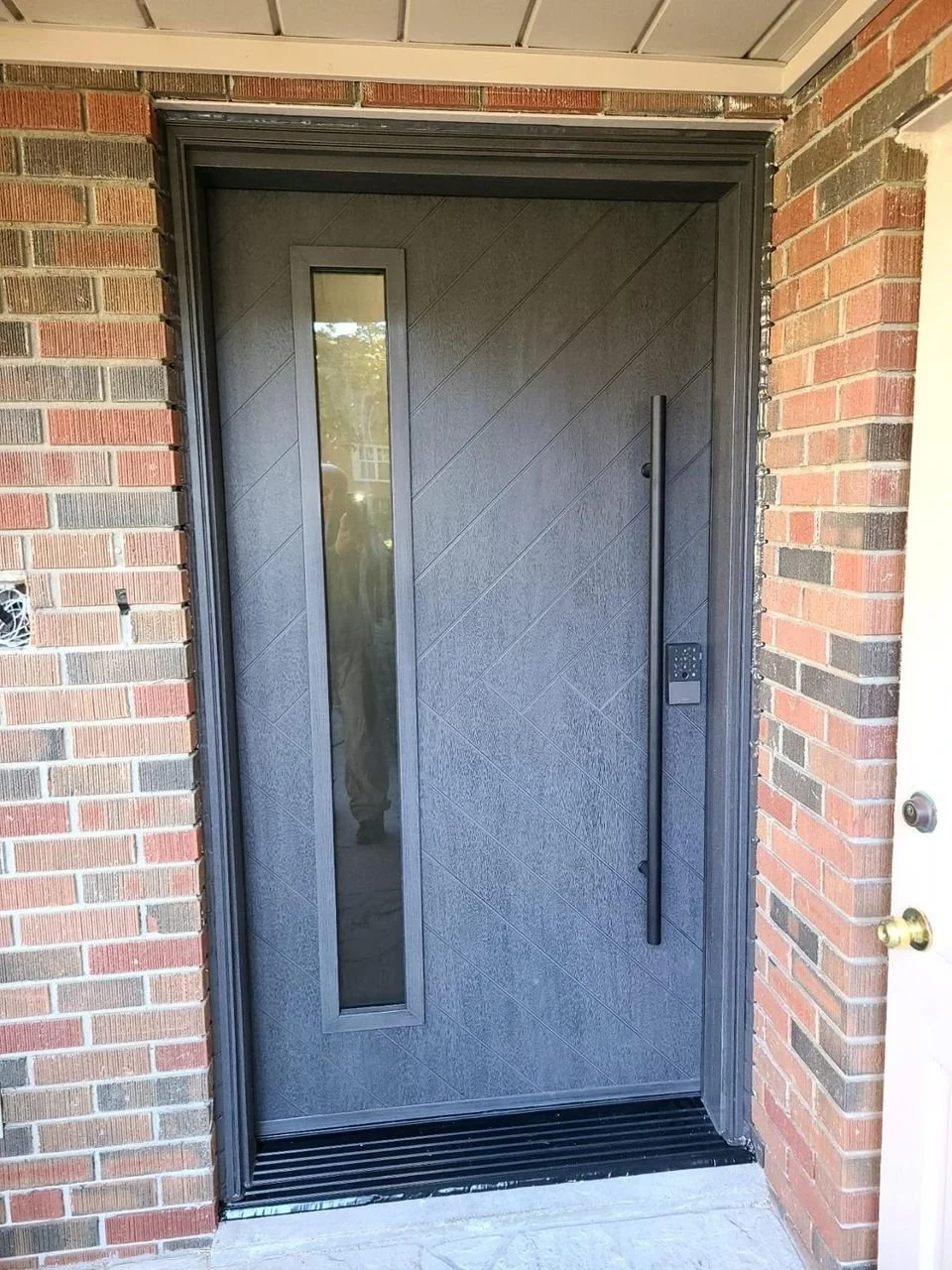
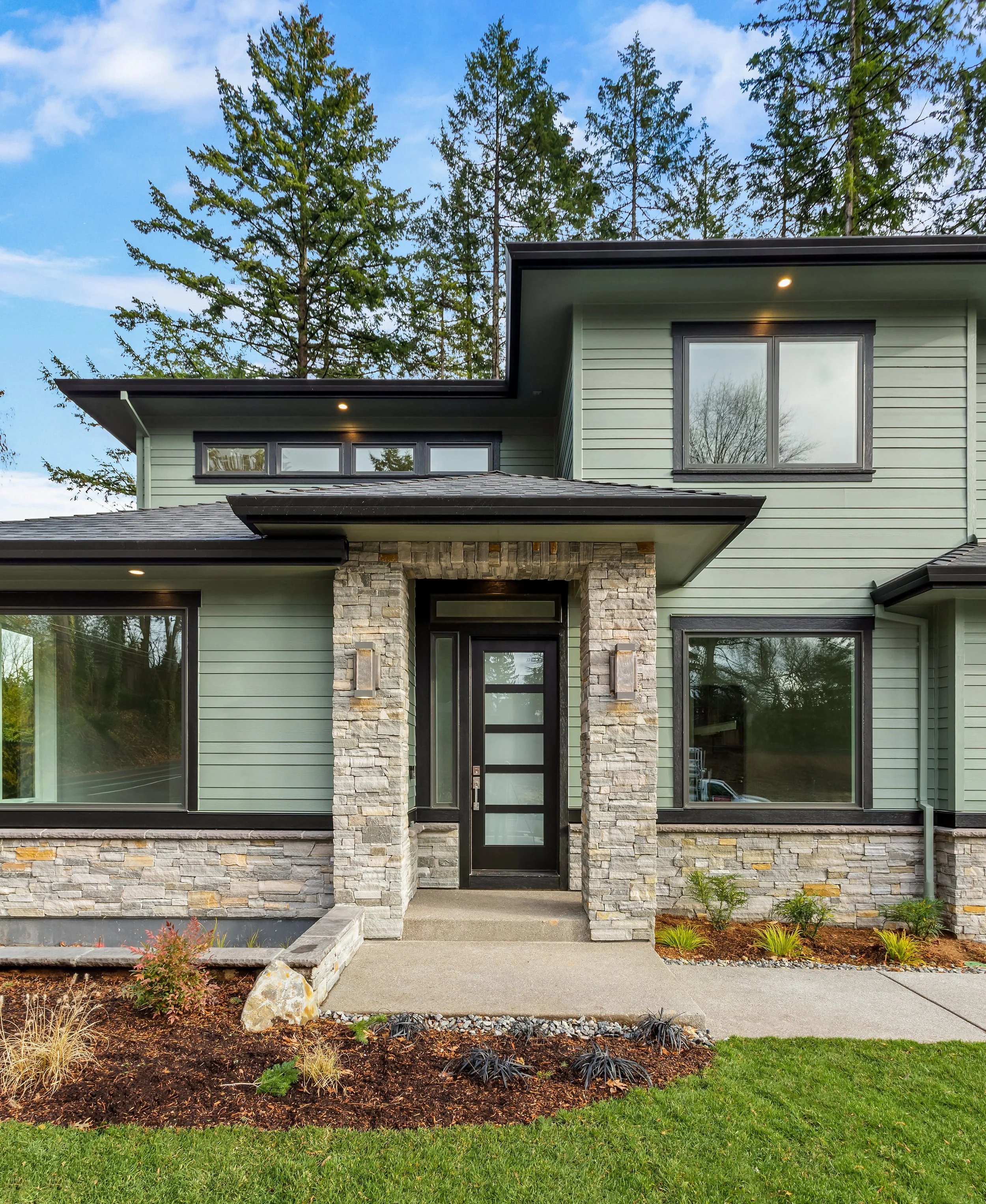
Entry doors: Steel for security, fiberglass for low maintenance and wood-like appearance, or solid wood for traditional looks.
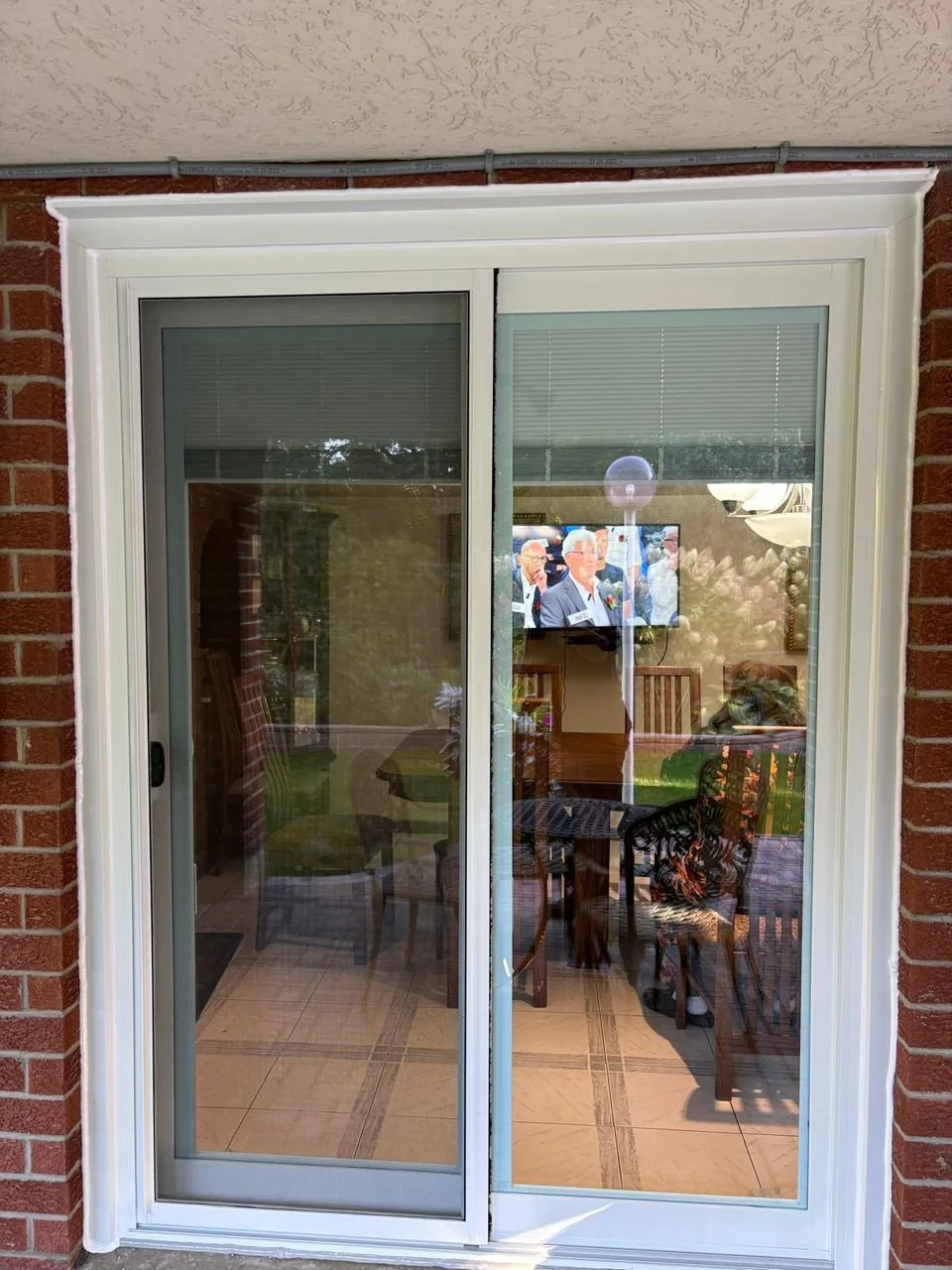
Patio and sliding doors: Look for multi-point locks, durable rollers and good thermal breaks. Consider folding (bi-fold) or lift-and-slide options for larger openings.
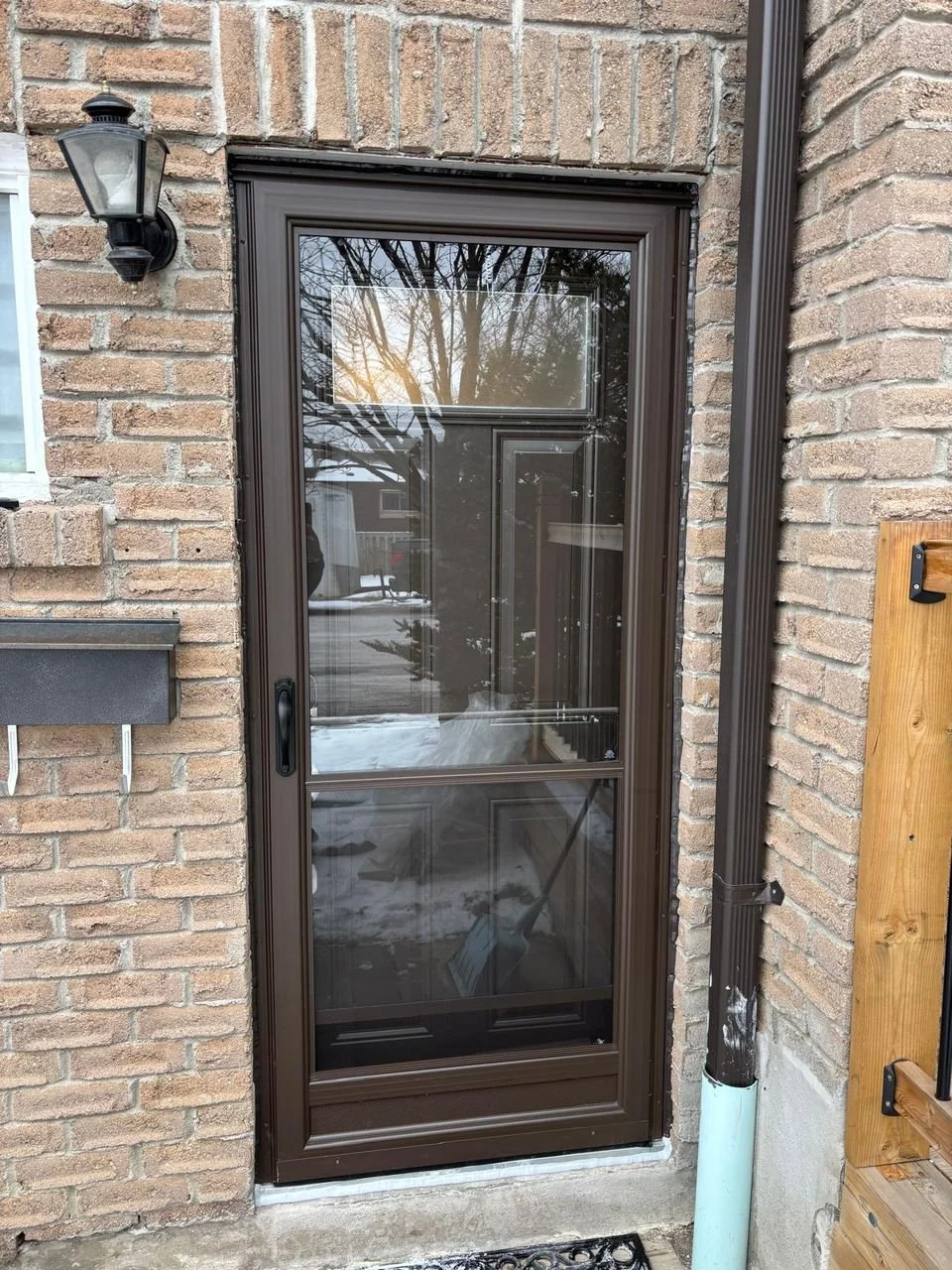
Storm doors and secondary glazing: In some climates, storm doors or secondary glazing can be a cost-effective way to improve performance without full replacements.
PRACTICAL CONSIDERATIONS
Energy ratings and codes: Check local energy codes and look for energy performance ratings like ENERGY STAR (or regional equivalents) and published U-values and R-values. In Canada, consider products rated for your climate zone.
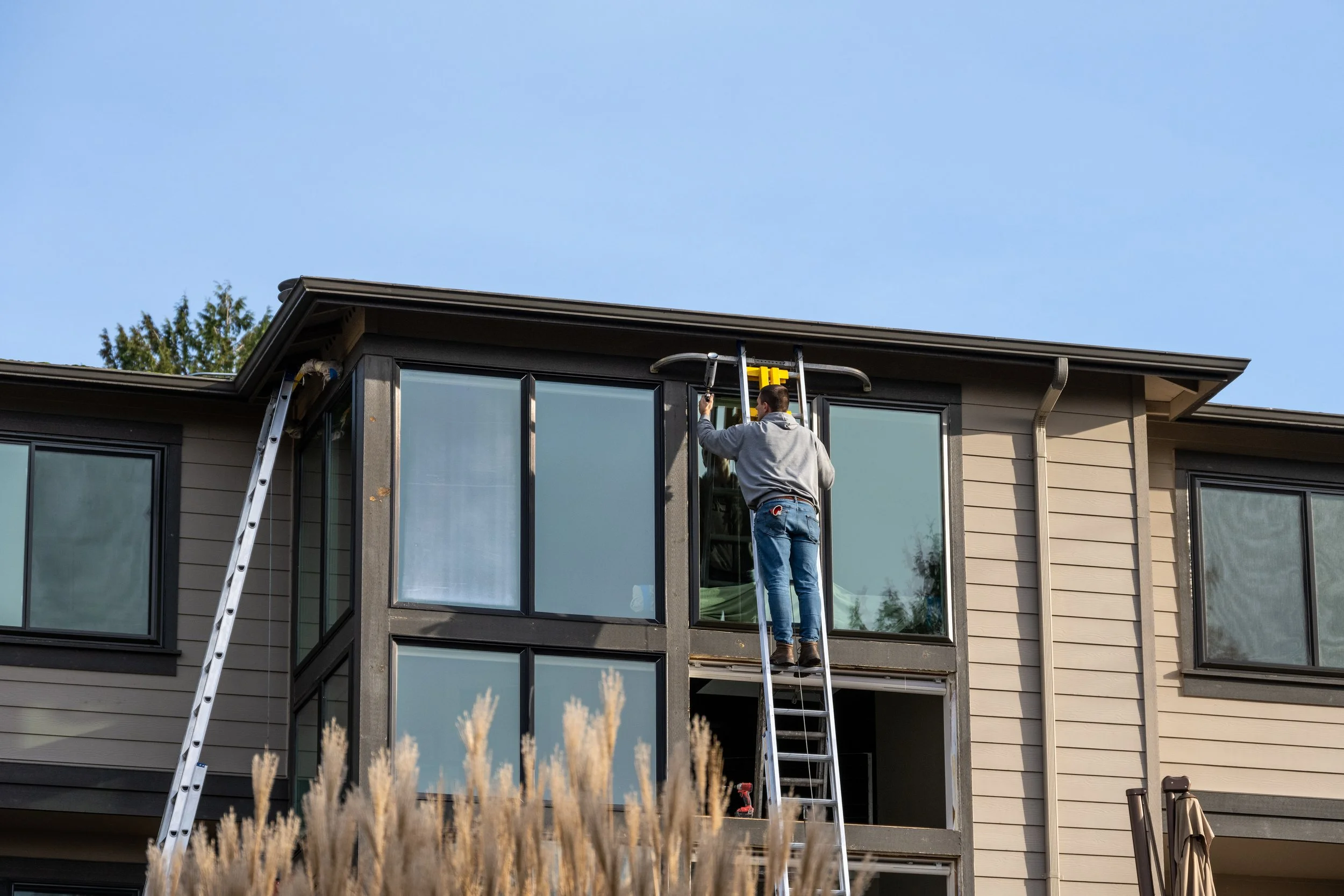
Measurements and fit: Accurate measurement is essential. A poor fit causes drafts, water infiltration and operational problems. Professional measuring is recommended, especially for full-frame jobs.
Flashing and water management: Proper flashing, sill pans and sealing are critical to prevent moisture intrusion. Installers should follow manufacturer instructions and building code practices.
Permits and heritage considerations: Some municipalities require permits for window and door replacements, especially when changing sizes or altering exterior appearance. Heritage homes may have restrictions.
Timing and staging: Plan replacements to minimize exposure to weather. Staggering projects can keep the home secure and habitable if multiple openings are being changed.
Warranties and service: Compare product warranties and workmanship guarantees. Reputable installers provide clear warranty terms and post-installation service.
We offer 25 year warranty on select windows & doors, 10 year warranty on all insulated glass units and a 2 year warranty on all workmanship.
Get in Touch for a FREE Quote